



CCRAN is bringing together some of the most brilliant minds in cancer research and care to explore the transformative impact of biomarkers.

Michelle Audoin is an experienced and passionate patient advocate and community collaborator. She uses her living experience of metastatic breast cancer to shine a light on some of the disparities Black women experience when navigating a breast cancer diagnosis. Her advocacy work focuses on driving systemic change through collaborations including volunteer roles at CCTG, 3CTN, All.Can Canada, Princess Margaret, and Women's College Hospital and also as a patient partner on various health equity research initiatives.
Michelle uses her elementary school training to educate others by sharing her story and experiences on podcasts, panels, and awareness campaigns. She is most proud of raising two amazing and compassionate kids who support her cancer advocacy work.

Dr. Rebecca Auer is the Executive Vice-President of Research and Innovation at The Ottawa Hospital and the CEO and Scientific Director of the Ottawa Hospital Research Institute. She also holds the position of Surgical Oncologist at The Ottawa Hospital, Senior Scientist in the Cancer Research Program at the Ottawa Hospital Research Institute (OHRI) and Professor in the Department of Surgery and the Department of Biochemistry, Microbiology and Immunology at the University of Ottawa.
Dr. Auer is an international leader in perioperative cancer therapeutics. She has led six clinical trials of cancer immunotherapies based on preclinical discoveries made in her research lab. She has authored over 100 peer-reviewed publications and received over $30 million dollars in peer-reviewed funding as PI to support her work.
Dr. Auer is an international leader in the field of Surgical Oncology. She has served on the executive of the Canadian Cancer Trials Group, the Society of Surgical Oncology, and the Canadian Association of General Surgeons, where she is the Chair of the Research Committee. She is also a member of the NCI GI Steering Committee and the Canadian Cancer Society, where she sits of the Advisory Council. Dr. Auer believes that research IS care and is dedicated to ensuring all patients are provided an opportunity to participate in research. In 2024 Dr. Auer was named one of Canada’s Most Powerful Women by the Women’s Executive Network for her research and advocacy work in cancer.

Andrea Beharry is a medical laboratory technologist, currently serving as the Charge of the Advanced Diagnostics division at the William Osler Health System. She has built a successful immunohistochemistry service, and most recently molecular testing to support cancer treatment, immuno-oncology, and others. After perceiving the immense unmet need, Andrea has learned to perform next-generation sequencing and other molecular assays. Combining these modalities has enabled her lab to deliver some of the most comprehensive biomarker reports available with one of the fastest turnaround times in the Country.

Dr. Yvonne Bombard is Professor and Canada Research Chair in Genomics Health Services at the University of Toronto and Unity Health Toronto. She directs the Genomics Health Services Research Program at St. Michael’s Hospital. Her work evaluates the outcomes of genomic technologies on patients and healthcare systems, develops digital tools for genomic medicine, and engages patients in health technology assessment. Dr. Bombard is actively involved in international policy advisory committees and serves on the boards of the American Society of Human Genetics and CIHR Institute of Genetics. She has received numerous awards, including a CIHR Foundation grant, 'Rising Star' and Presidential awards from CADTH, CIHR, UofT and the Canadian Cancer Society for her impactful research and policy contributions, for which she has been inducted into the Royal Society of Canada’s College of New Scholars and the Canadian Academy of Health Sciences.

Ayelet began her collaboration with Pancreatic Cancer North America in February 2023, serving as an Ask an Expert consultant and providing valuable guidance to patients, caregivers, and healthcare professionals. She joined PCNA full-time in July 2025, bringing over twenty years of dedicated experience in pancreatic cancer clinical research through her work at the University Health Network and Mount Sinai Hospital in Toronto. She holds a graduate degree in epidemiology and biostatistics from McGill University and offers extensive expertise in clinical research and oncology, with a strong focus on improving outcomes for individuals affected by this disease. With a long-standing commitment to this field, Ayelet is passionate about advancing pancreatic cancer research while continuing to support patients and families throughout their journey.

Laz Bouros is in his eighth year as the President of the Thyroid Foundation of Canada (TFC). He originally joined TFC in 1988 as Ottawa Chapter President, left a few years later to look after his young family and returned in 2017 after retiring from his management consulting practice. He developed a new Strategic Plan for TFC, setting new objectives, transforming board members’ roles and responsibilities and creating an organizational Transition Plan.
In 2020, an agreement was established with The Canadian Society of Endocrinology and Metabolism (CSEM) for the management of TFC’s annual $50,000 research grant through CSEM’s Grants Committee. The first research project sponsored by TFC was the Classification of the Thyroid Tumours to improve thyroid nodule diagnosis and thyroid cancer treatment through molecular testing. For thyroid education, 15 educational webinars were held (and recorded) on a variety of thyroid topics. These educational webinars transitioned to include attendance from the physician community. Both the TFC website and Thyrobulletin newsletter were made available in French. For patient support, a larger, more structured Help Line Team was created to provide callers with compassionate support from team members with lived experience. Help Line Guidelines were improved, and a call level of difficulty chart was established to allow the more difficult calls to be directed to more senior Help Line Team members.
For TFC’s advocacy, the work included conducting Health Technology Assessments, promoting reimbursement process improvements for CDA, and supporting clinical trials and ad hoc requests from CDA.
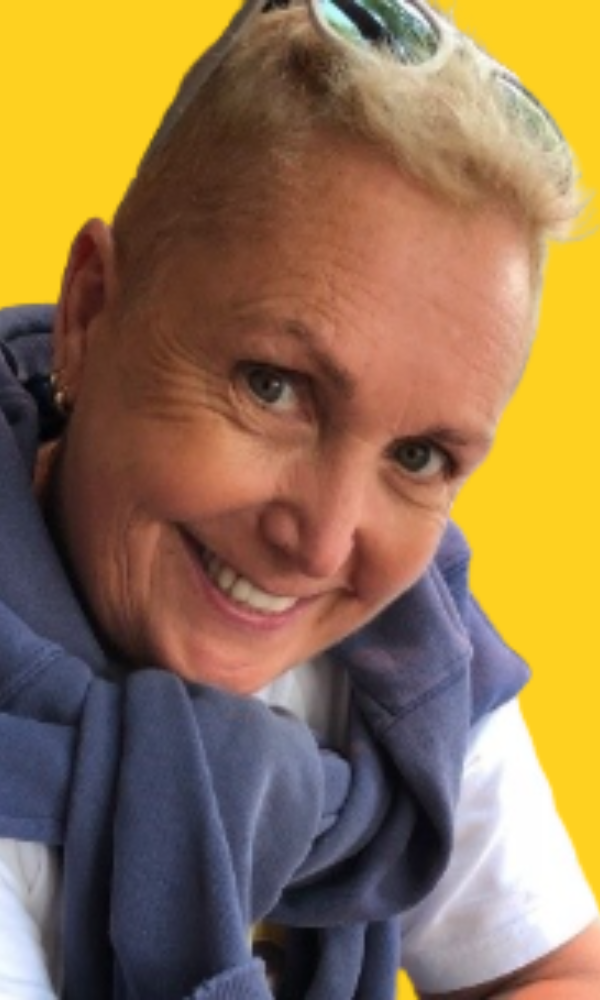
Dr. Mary K. Bryson is a Stage IV EGFR lung cancer patient, an International Association for the Study of Lung Cancer (IASLC) STARS Scholar patient advocate, and Full Professor in the Department of Language and Literacy Education, Faculty of Education, University of British Columbia. Their scholarly trajectory integrates lived experience, academic leadership, and a sustained commitment to equity-focused, community-based cancer research and advocacy. With 37 years of research, teaching, and public scholarship at a U15 institution, Dr. Bryson brings a distinctive analytic lens to the production, translation, and mobilization of lung cancer knowledge—particularly where such systems fail patients. Since January 2025, living with advanced EGFR-mutant lung cancer has further grounded this work, sharpening attention to disparities in access to care, culturally and medically competent knowledge, and the social determinants shaping patient outcomes. Their multi-faceted positioning as scholar/patient/advocate gives Dr. Bryson a grounded perspective on how lung cancer knowledge is produced, translated, and mobilized—and on where it too often fails patients. Dr. Bryson leads the Cancer’s Margins research program, which advances foundational scholarship on marginalization, institutional inequities, and the literacies that govern access to and use of cancer knowledge. They are currently Guest Editor of a Special Issue of Public Humanities (Cambridge University Press), “Cancer’s Dirty Margins: Minoritized Scholars’ Pathographies,” examining how marginalized patients navigate complex, uneven cancer knowledge ecologies.

Dr. Dasari has extensive experience in developing and conducting clinical trials for gastrointestinal malignancies with a particular focus on biomarker driven trials for colorectal and neuroendocrine malignancies. He currently serves as a principal investigator on several clinical trials and grants in these areas including as the national PI on two trials (CIRCULATE-US, NCT05174169; JANUS, NCT05610163). He spearheaded the development of fruquintinib, an oral VEGF inhibitor for patients with metastatic colorectal cancer starting from an initial dose finding phase I trial to the positive registration phase III trial that led to its approval. He has published over 150 articles in Lancet, JAMA Oncology and Journal of Clinical Oncology.

Dr. Erin DeBruin has a passion for making knowledge accessible to people in practical ways that they can actually use. As the Manager, Professional Education and Implementation at Genome BC, Erin focuses on connecting and amplifying stakeholders with expertise in genomics and education to increase the uptake of genomic applications. She is taking this work beyond BC to support the initiation of the Canadian chapter of Global Genomics Education and Training. Before joining Genome BC, Erin was Director of Pre-Clinical Biology at Naegis Pharmaceuticals. Erin holds a Ph.D. in Experimental Medicine from UBC and a B.A.Sc. in Chemical Engineering from the University of Toronto.

As President of 3Sixty Public Affairs, Bill develops and implements high-impact government relations, policy and business strategies for clients in the health and life sciences sector. Drawing on over twenty years of business, legal and government experience, he helps clients successfully navigate dynamic political and policy environments to achieve their objectives. Bill represents 3Sixty on speaking opportunities, boards, working groups and workshops, in addition to leading teams of consultants on client mandates across the country. Bill has previously worked for Pfizer Canada, a Member of Parliament, the United Nations and major Canadian law firms. He is fluently bilingual, and has degrees in history (King’s College, University of Western Ontario), law (Queen’s University), and a Master of Arts in International Affairs (Norman Paterson School of International Affairs, Carleton University). Bill was called to the Bar of Ontario in 2002

Corri Desaulniers is a 46-year-old wife, mother of two teenage boys, and patient advocate living with cholangiocarcinoma, a rare and aggressive bile duct cancer. Diagnosed in 2022 after an unexpected finding during routine imaging, Corri has since navigated multiple lines of treatment and the challenges of a metastatic diagnosis.
After exhausting standard therapies and being told there were no remaining options, Corri pursued additional molecular testing, which revealed an actionable FGFR2 fusion. This discovery allowed her to access a targeted therapy that is now helping to stabilize her disease. Her experience underscores the critical importance of comprehensive biomarker testing and equitable access to precision medicine.
Today, Corri uses her voice to advocate for increased awareness, better access to molecular testing, and improved outcomes for others facing rare cancers.

Dillan Eisenhaur is the founder of Second Look Cancer, a free platform designed to help colorectal cancer patients better find and understand clinical trial options. While his professional background is in finance, the inspiration for the platform came after his own stage IV diagnosis in September 2024.

Dr. Urban Emmenegger is a Medical Oncologist at Odette Cancer Centre and Associate Scientist at Sunnybrook Research Institute (Biological Sciences Platform), both at Sunnybrook Health Sciences Centre, Toronto, Canada. He is also Associate Professor in the Department of Medicine and Associate Member of the Institute of Medical Science, at the University of Toronto.
After having obtained his medical degree from the University of Bern, Switzerland in 1992, and following training in Experimental Medicine & Biology, Internal Medicine and Medical Oncology in Switzerland, in 2001 Dr. Emmenegger joined the laboratory of Dr. Robert S. Kerbel (Sunnybrook Research Institute) to undertake postdoctoral training in tumor biology until 2008, with special emphasis on tumor angiogenesis and metronomic chemotherapy. In addition, he completed a clinical fellowship in Genitourinary Medical Oncology at Odette Cancer Centre, University of Toronto, from 2005 to 2008.
Dr. Emmenegger specializes in the systemic treatment of advanced prostate cancer. Aside from clinical trial activities encompassing phase I to III studies, he is interested in facilitating early access to new treatment modalities such as for instance PSMA-targeted radioligand therapy. He also aims for optimizing the real-world care of men with advanced prostate cancer, including managing bone metastases and bone health, preventing harmful drug-drug interactions, studying treatment-induced sarcopenia, and improving the outcome of patients with liver or brain metastases.

André Galarneau began his professional career as an Alzheimer’s researcher at Neurochem within the biotechnology sector. In June 2008, he joined Schering Plough/Merck Canada as a Medical & Scientific Liaison, where he focused on oncology, infectious diseases, and anesthesia. During his 18-year tenure at Merck, André held progressive positions in both medical affairs and commercial functions with a specialization in neuroscience, and subsequently in oncology. André transitioned to the commercial division overseeing the commercialization of all KEYTRUDA® indications. He later assumed the role of Director of Sales and Marketing for the KEYTRUDA® lung franchise. Afterward, he was promoted to Executive Director, leading the Business and Commercial Excellence team for one year before returning to Oncology. Currently, as Executive Director and Vice-President, André leads the commercialization of Merck Canada’s oncology portfolio.
André holds a Bachelor’s and Master of Science in Biochemistry from Université de Montréal, as well as a Doctorate in Experimental Medicine from McGill University.
Outside of his professional responsibilities, André enjoys spending quality time with his wife, Melanie, and their three adult children. His personal interests include chess, cycling, photography, and baseball.

Shalini Gambhir is the Research Officer at the Colorectal Cancer Resource & Action Network (CCRAN), where she oversees national research, advocacy, and evidence-informed initiatives to advance equitable cancer care across Canada.
With more than fifteen years of experience across clinical care, government, and the nonprofit sector, she brings a unique blend of frontline insight and system-level strategy. Shalini began her career as a Medical Radiation Therapist supporting oncology and palliative patients, where she witnessed firsthand the gaps and inequities within the healthcare system. She was recognized for her contribution to the development and launch of Vancouver’s first Head and Neck Cancer Support Program, a project designed to address key structural barriers to care. These experiences shaped her commitment to translating evidence into action and strengthening patient-centred models of care. She remains dedicated to ensuring that the perspectives of patients, families, and underserved communities drive the future of cancer policy in Canada.

Brenda Gamble serves as an Associate Professor and Program Director at Ontario Tech University, leading the Bachelor of Health Administration and Allied Health Sciences programs. Her work is dedicated to strengthening the health system through research into interprofessional education, integrated care, and workforce planning. With a particular focus on the intersection of policy and practice, Brenda has spearheaded research into the role of medical laboratories in primary care and the systemic factors influencing service delivery. Beyond her academic roles, she contributes to national health policy as a Co-Theme Lead for the Health Workforce Theme Group at the Canadian Association for Health Services and Policy Research (CAHSPR), as well as a Co-Theme Lead for the Canadian Health Workforce Network. She also investigates the unique lived experiences of Canadian female Veterans.

Dr. Sharlene Gill is a Professor of Medicine at the University of British Columbia and a medical oncologist specializing in gastrointestinal (GI) malignancies at BC Cancer – Vancouver. She received a Bachelors of Science in Pharmacy and an MD from the University of British Columbia in 1996 followed by residencies in Internal Medicine and Medical Oncology. Dr. Gill subsequently completed a fellowship in Gl Oncology at the Mayo Clinic (Rochester, MN) and a Masters of Public Health from the Harvard School of Public Health. In 2017, she completed an MBA from the Kenan-Flagler School of Business at the University of North Carolina. She is actively engaged in education and research, with over 150 peer-reviewed publications and book chapters to her credit. Dr. Gill serves as the Chair of the Canadian Clinical Trials Group (CCTG) GI Disease Site Committee and Chair of the UBC Department of Medicine Mentoring Committee. She is the Editor-in-Chief for Clinical Colorectal Cancer and is the Past-President of the Canadian Association of Medical Oncologists. Her TEDx talk in 2022 on ‘How to Flip the Script on Cancer’ delivered her passion for patient advocacy and empowerment.

Laura brings more than 25 years of health public affairs experience, integrating communications, stakeholder, digital and government relations strategies to achieve public policy and business objectives. She has worked extensively in oncology, chronic disease and rare disease, leading advocacy campaigns that engage patients, health professionals and government stakeholders. At Burson, she has led accounts in the pharmaceutical, health professional, digital health, seniors care, hospital, regulator and not-for-profit sectors, including serving as executive director of a patient advocacy organization. Laura has a demonstrated track record of success and an established network of health system partners.
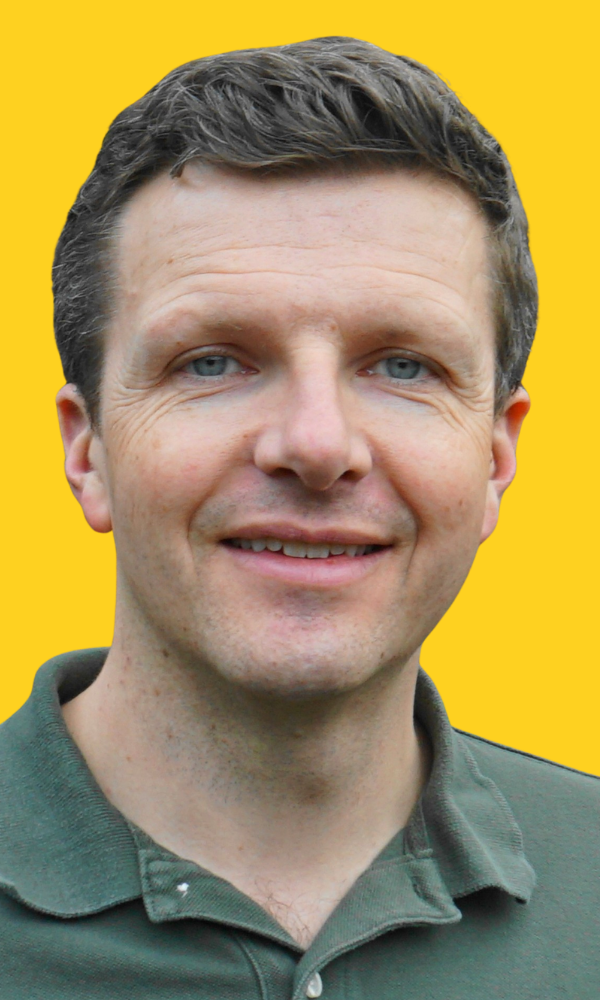
Eric Hamilton is a Stage IV colorectal cancer patient living in Edmonton, Alberta. He and his wife Jasmine have two children: Byron, aged 12 and Julianne, aged 9. While continuing systemic treatment, he works full-time as a Senior Policy Analyst with the Government of Alberta. Diagnosed with colon cancer at Stage 3 initially in June 2022 at age 41, he underwent a successful colon resection surgery and adjuvant chemotherapy. Unfortunately, 18 months later, the disease was found to have spread to his liver and nearby lymph nodes. Eric then underwent a liver resection and currently has disease only in the retroperitoneal lymph nodes. He hopes to regain his health in the long term and to be off treatment eventually. Eric understands the young-onset patient experience well. He advocates for aggressive, curative treatments for himself and other under-50 CRC patients who may also have young families, careers, and potentially decades left to live. Despite being in treatment, Eric is determined to make the best of life through camping, cycling, and, most recently, learning to play the piano.
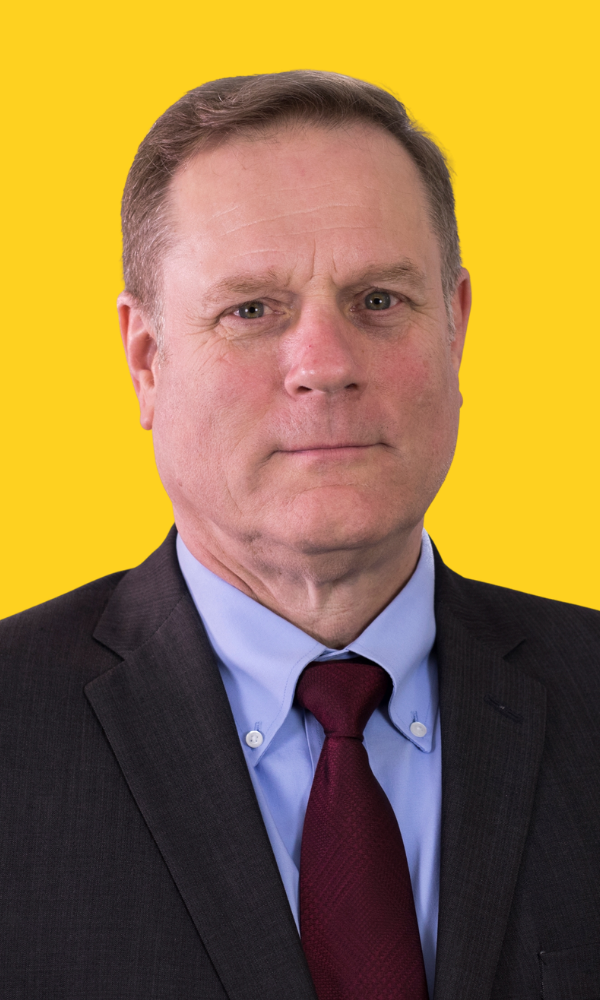
Craig Ivany is a health services executive and laboratory services strategist with 40 years of experience influencing healthcare. His depth of practice includes a legacy of leadership across Canada, including Hospital Executive Director in rural Newfoundland, Executive Director of Operations, Canadian Blood Services, VP role with DynaLIFE in Alberta, VP role with Dynacare Laboratories in Ontario, CEO of the Eastern Ontario Regional Laboratory Association, President and CEO of Alberta Public Labs, and Chief Provincial Diagnostic Officer in British Columbia. He is a current and past board member of several not-for-profit organizations in Canadian healthcare. Craig is a certified health executive and a long-time member of the Canadian College of Health Leaders, holds an ICD.D with the Institute of Corporate Directors, and is an Adjunct Professor, Department of Pathology and Laboratory Medicine, Faculty of Medicine, University of British Columbia.

Dr. Jason Karamchandani graduated from Harvard College followed by medical school at Stanford University School of Medicine, where he remained for his residency training in anatomic pathology, and then fellowship training in surgical pathology and neuropathology. Dr. Karamchandani went on to practice neuropathology at St. Michael’s Hospital in Toronto, before moving to practice neuropathology full time at the Montreal Neurological Institute. He is currently the Scientific Director of the MNI's Open Science C-BIG Repository and patient registry. He has authored or co-authored over 80 journal articles in peer-reviewed publications as well as 5 book chapters. He is the current president of the Canadian Association of Pathologists.
.png)
Dr. Yoo-Joung Ko is a medical oncologist specializing in gastrointestinal malignancies, with a focus on pancreatic and colorectal cancers. He completed his medical degree and Internal Medicine residency at the University of Toronto, followed by fellowship training in Hematology and Medical Oncology at Beth Israel Deaconess Medical Center in Boston. During this time, he also earned a Master of Medical Sciences from Harvard Medical School/MIT and a Master of Science in Epidemiology from the Harvard School of Public Health.
After serving on faculty in Boston with support from a National Cancer Institute career development award, Dr. Ko returned to Canada to pursue his clinical and academic interests. He previously served as Chair of the Gastrointestinal Cancer Group at the Sunnybrook Odette Cancer Centre and has led multiple multicentre investigator-initiated clinical trials.
Dr. Ko is committed to research ethics and medical education. He has served as both Vice-Chair and Chair of the Ontario Research Ethics Board and has received several teaching awards at the undergraduate and postgraduate levels. He is also the Oncology Deputy Editor for DynaMed, a leading online clinical reference.
He is currently the Medical Director of the Cancer and Endoscopy Program at Unity Health.

Paul Krzyzanowski is the Medical Affairs Director of Precision Medicine at Johnson & Johnson Canada. In this role, he leads the design & execution of Johnson & Johnson’s precision medicine diagnostics strategy in oncology with the aim of making targeted cancer therapies accessible to all Canadian patients who may benefit from them. Through this work, the Precision Medicine team works together with stakeholders in all provincial healthcare systems to collaboratively improve diagnostic testing pathways across Canada. Prior to joining J&J, Paul was the Director of the Translational Genomics Laboratory at the Ontario Institute for Cancer Research (OICR), supporting oncology researchers across Ontario and nationally. Paul has co-authored over 26 peer-reviewed publications and book chapters and is also the co-inventor of several patents in the field of genomic technologies and bioinformatic gene signature development. He holds a MBA from the Rotman School of Management, University of Toronto, a Ph.D. in Molecular Medicine from the University of Ottawa, a B.Sc. (Honours) from the University of Toronto, and was a CIHR-funded Postdoctoral Fellow at OICR.

Dr. Catalina Lopez-Correa is Vice-Chair of the Global Genomics Network for Education and Training (GGNET) and Co-Chair of the Patient Working Group of the Marathon of Hope Cancer Centres Network. She has dedicated her career to advancing genomics and translating its transformative potential into real-world applications in healthcare, research, and innovation across Canada and internationally.
Through senior leadership roles at Genome Canada, Genome British Columbia, Genome Quebec, Eli Lilly, and deCODE Genetics, Dr. Lopez-Correa has played a pivotal role in building high-performing teams, driving major research and innovation initiatives, and strengthening Canada’s position as a global leader in genomics. She has also forged international partnerships and networks that have accelerated the adoption and application of genomic technologies worldwide.
Following her breast cancer diagnosis in 2023, Dr. Lopez-Correa became a passionate advocate for equitable access to precision oncology and genomic testing. Drawing on her unique perspective as a physician, genomics scientist, and cancer patient, she is a leading voice in advancing patient-centered cancer care. Through keynote lectures, podcasts, blogs, and conference panels, she raises awareness of the critical role genomics plays in improving cancer diagnosis, treatment, and outcomes.
Her contributions to science, innovation, and international collaboration have been recognized through numerous distinctions, including the Canadian Senate 150th Anniversary Medal and Colombia’s National Order of Merit.
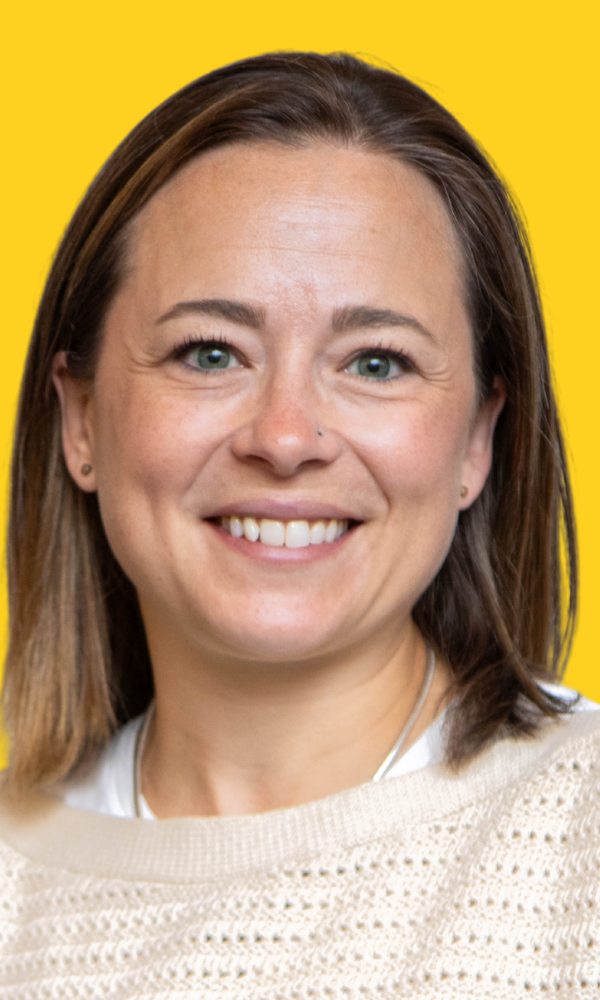
Jennifer is a passionate advocate for cancer patients and their caregivers. She is an active partner for Pancreatic Cancer North America (PCNA) and has been instrumental in developing their My CANcer Code program to improve access to genetic testing in Canada, as well as developing resources to help patients navigate clinical trials. Jennifer has been an active volunteer throughout her career, but her pivot to patient advocacy started when her husband, Connor, was diagnosed with advanced pancreatic cancer at the young age of 38 in early 2022. Jennifer and her husband worked hard to access cutting-edge investigational treatments and became acutely aware of how much of this effort rested with patients and their families. Genomic testing and clinical trials were life-changing for their family and it became important for Jennifer and her husband to help others gain access to this experience. Following Connor’s death in late 2024, Jennifer has continued to honour his legacy. She is excited about the potential for new pancreatic cancer treatments and wants to do her part to help patients in Canada get access. She strongly believes in the benefits of palliative care to help patients from day one and continues to work with PCNA to educate people on the benefits of supportive care.
Jennifer’s prior career experience includes 18 years in finance and accounting as a Director in Finance at Oxford Properties and public accounting at PwC. She holds a Bachelor of Commerce degree (Honours) from Queen’s University and a CPA, CA designation with CPA Ontario. Jennifer loves spending time with her two sons and their dog, including going on family vacations and to the cottage.

Cassandra is the Chief Research Officer at the Colorectal Cancer Resource & Action Network (CCRAN). She leads CCRAN's policy- and research-based initiatives and contributes broadly across the organization's patient-focused and evidence-based mandates to provide support, education, and advocacy for colorectal cancer and other tumour-type patients and caregivers.
Cassandra has a clinical background as a Medical Radiation Technologist in addition to a graduate degree in health studies and leadership. It was through her experience as a clinician, observing the unmet needs of patients and the gaps in the healthcare system, that she turned to patient advocacy, driven by a passion for improving health quality and patient experiences. Through her role at CCRAN, she is honoured to amplify patient voices and is dedicated to reducing the burden of cancer in Canada.
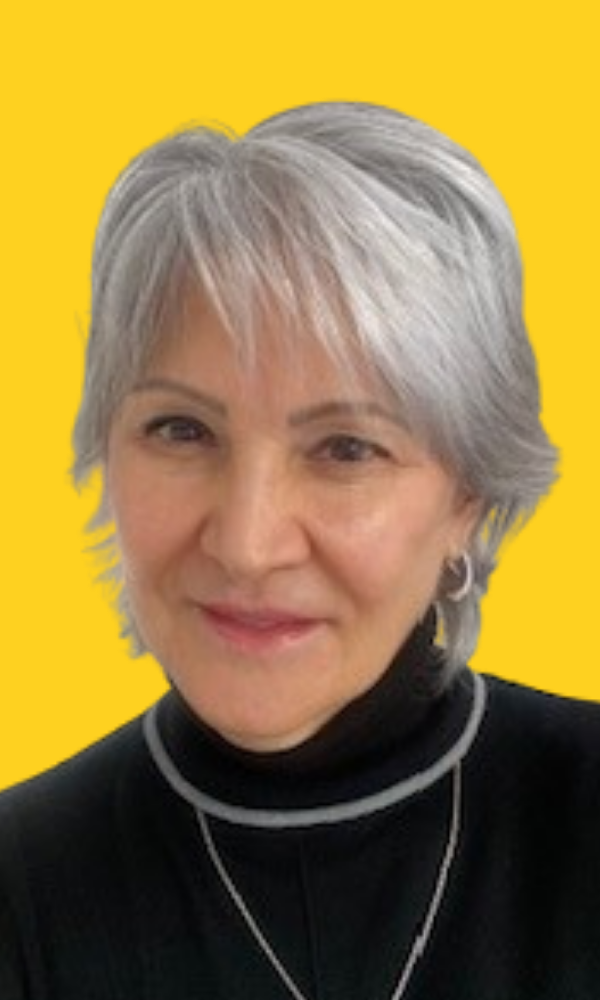
Mariana is a healthcare professional with extensive experience in both clinical and administrative settings, which has given her a comprehensive understanding of patient care across the continuum. Throughout her career, she has worked closely with individuals and families navigating complex medical systems, advocating for clear communication, compassionate care, and informed decision-making.
Mariana’s perspective on healthcare deepened profoundly when she became a patient herself, facing a diagnosis of colon cancer. Navigating her own treatment journey presented challenges that extended beyond clinical care, highlighting the emotional, logistical, and systemic barriers patients often encounter. This experience strengthened her commitment to advocacy, not only as a professional, but as someone who has lived the realities of the healthcare system from both sides.
Mariana is passionate about empowering patients, ensuring their voices are heard, and helping them access the resources and support they need. She brings empathy, resilience, and a practical understanding of healthcare systems to her work, and she is dedicated to improving patient experiences and outcomes through meaningful advocacy.
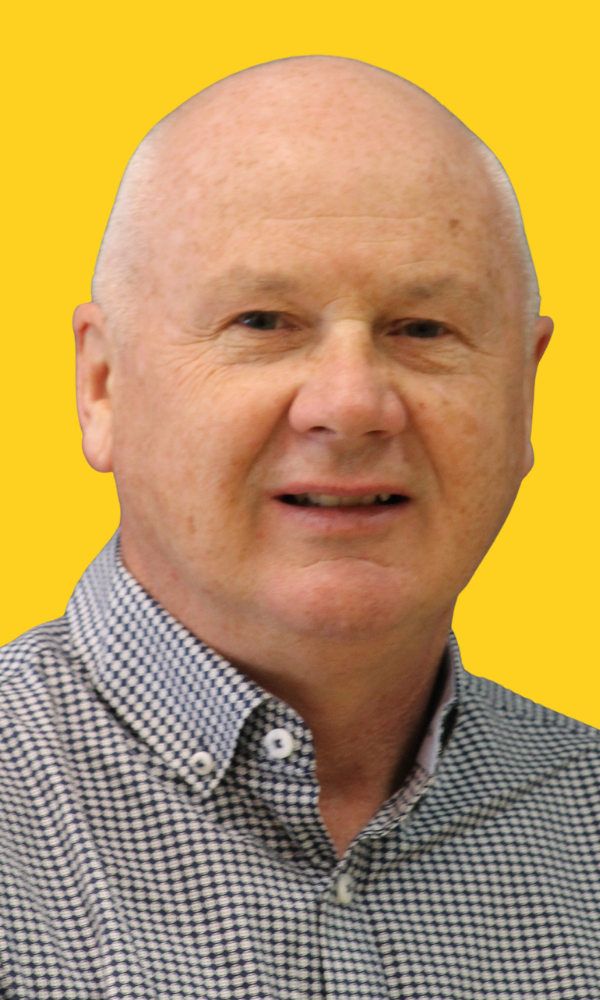
Neil Marr is a former caregiver to his late wife Priscilla, who was diagnosed with cholangiocarcinoma in April of 2019 and passed in April of 2021. He is a semi-retired high school teacher and playwright residing in the Greater Toronto area.
Neil has been a volunteer with the Cholangiocarcinoma Foundation since 2021 and is a founding member of the Canadian Cholangiocarcinoma Collaborative and Cholangio-Hepatocellular Carcinoma Canada. Neil also currently serves in an advisory capacity with PanCuRx, where he contributes a layman's perspective to issues and initiatives that impact patient care.
In his role as a mentor with the CCF and HPCC, Neil endeavours to help patients navigate the medical system and offer support to patients attempting to cope with what is often a devastating diagnosis.
In his role as a Research Advocate, Neil is keen to heighten the awareness and necessity for patient access to Biomarker testing and funding for drug treatment options as they emerge.

Dr. Mengel is Professor at the Department of Laboratory Medicine and Pathology, University of Alberta; North Sector Medical Director of the Alberta Precision Laboratories (APL); and Director of the Alberta Transplant Institute.
He studied medicine at the Semmelweis University in Budapest, Hungary before going on to specialize in pathology and further in transplantation pathology and nephropathology. Before moving to Edmonton, he provided transplant pathology service at the Hannover Medical School, Germany. As a sub-specialized Transplantation and Renal Pathologist, Dr. Mengel is engaged in various international sub-specialty societies related to nephropathology and organ transplantation and has published widely in his field. His current work is focused on applying molecular techniques to biopsy specimens, with the aim to increase diagnostic precision in organ transplantation.

Dr. Stéphanie Michaud is the President and CEO of BioCanRx, Canada’s Immunotherapy Network and a not-for-profit investing in the development of immunotherapies for the clinic. She is responsible for running all facets of the organization and brings over 20 years of public, government and private sector experience in research, science, technology and innovation (STI) policy and program delivery. A strong contributor to science policy in Canada, she strives to create partnerships between government, not-for-profits, academia and industry to maximize the impact of research funded by BioCanRx on the lives of those affected by cancer.
Dr. Michaud earned a Ph.D. in Organic Chemistry from McGill University and worked as a synthetic organic chemist for several years within a university spinout at the beginning of her career, resulting in several patents. She currently serves on the Boards of Research Canada, CQDM, the Advisory Board of the Canadian Cancer Research Alliance and is a member of the Public Policy Forum Life Sciences Leadership Table; she is a past Director to the Boards of the StemCell Network and Exactis Innovation. She is a past alumna of both the Governor General’s Leadership Conference (2015) and inaugural Centre for Drug Research and Development (now adMare) Executive Institute (2018).

JK Miller is the Health Policy and Advocacy Lead with the Canadian Breast Cancer Network. CBCN is Canada’s leading, patient-directed, national health charity committed to ensuring the best quality of care for all Canadians affected by breast cancer.
JK graduated from Health Policy at York university in 2021 and considered herself a bit of a health policy nerd. Originally a volunteer, JK started working with CBCN in 2023. Since then, she has contributed to dozens of public consultations and health technology assessments. She also contributes to CBCN’s library of resources including patient advocacy guides, blog posts, advocacy campaigns, and managing CBCN’s breast cancer treatment database.
Through all her work, JK strives to keep patient perspective central by leaning on CBCN’s community. Through her engagement with decision makers and coalitions, JK influences our healthcare system to be more responsive for people affected by breast cancer.

Dr. Narod is a world-leader in the field of breast and ovarian cancer. He has shaped current knowledge of how to assess breast and ovarian cancer risk and reduce its mortality among carriers of BRCA1 and BRCA2 mutations. He studies various aspects of cancer prevention and screening. He is a Tier I Canada Research Chair in Breast Cancer, a University of Toronto professor in the Dalla Lana School of Public Health and the Department of Medicine, and a senior scientist at Women’s College Research Institute, where he leads the Familial Breast Cancer Research Unit.
In 2012, Dr. Narod was elected a Fellow of the Royal Society of Canada. He holds two honorary degrees. He received the 2016 Killam Prize in health sciences and the 2015 Basser Global Prize. In 2019 he received the Lifetime achievement award from Canadian Society of Epidemiology and Biostatistics. Then in 2022 he received the McLaughlin Medal for sustained excellence in medical science. Early last year he also won the UBC alumni achievement award for research and innovation. With more than 1000 publications and an h-index of 130, Dr. Narod is one of the most cited breast cancers researchers in the world. Recently he has published a book: A Fair Trial – The Foundations of Breast Cancer. This book is a touchstone for other scientists and physicians to question the current paradigms of breast cancer screening and treatment and will lead to new ideas that will help physicians, researchers, and patients move forward towards a cure.
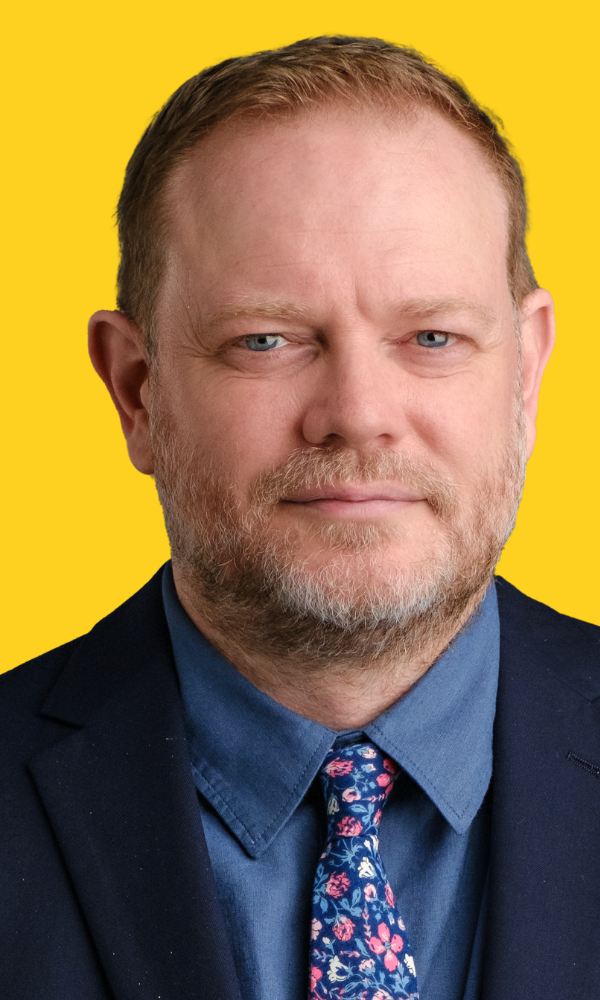
Eddy Nason is the Director for the Health Knowledge Area at Signal49 Research, formerly The Conference Board of Canada. In this role, he spearheads the efforts of the health team, ensuring the delivery of high-quality, relevant, and impactful research and products to clients and stakeholders within the health sector.
Prior to joining Signal49 Research, Eddy accumulated 20 years of experience at the intersection of health, science, public policy, and research, with a particular focus on research impact. During this time, he collaborated with national and international think tanks such as the Institute on Governance and RAND Corporation, as well as research funding organizations like the Ontario SPOR SUPPORT Unit and Genome Canada.
Eddy has provided guidance to policymakers, health system managers, private sector partners, and not-for-profit stakeholders on a wide array of health issues, ranging from health human resources to drug plan management, to patient-partnered clinical research. He is internationally recognized as an expert in research impact, having served as Program Director for the International School on Research Impact Assessment, contributed to the development of the precursor to the ResearchFish research impact system, authored the influential CAHS framework for ROI in health research, and has advised research systems across the globe.

Teresa Norris is an internationally recognized researcher, advocate, and coalition leader. She is the Founder and President of HPV Global Action / VPH Action Globale, a Canadian-based international charity, and the newly elected President of the Quebec Cancer Coalition. With over 25 years of experience in cancer prevention, research, and policy development, she has dedicated her career to advancing oncology outcomes through education, evidence-based interventions, and global health collaborations. As a sexual and reproductive health specialist, she has developed prevention programs and contributes to shaping health policies in gynecological cancers both nationally and internationally. Her educational initiatives alone have reached to date more than 100,000 students, faculty and healthcare professionals across Canada. Teresa also leads the INTEGRATION Project, a major clinical research initiative within the PAVE consortium, an AI-driven global collaboration with the National Institutes of Health (NIH), National Cancer Institute (NCI), and World Health Organization (WHO), focused on addressing the world’s highest burden of cervical cancer and HIV in Eswatini, alongside neglected tropical diseases. Her work reflects a deep commitment to advancing cancer research, improving patient outcomes, and ensuring equitable access to innovative cancer care worldwide.
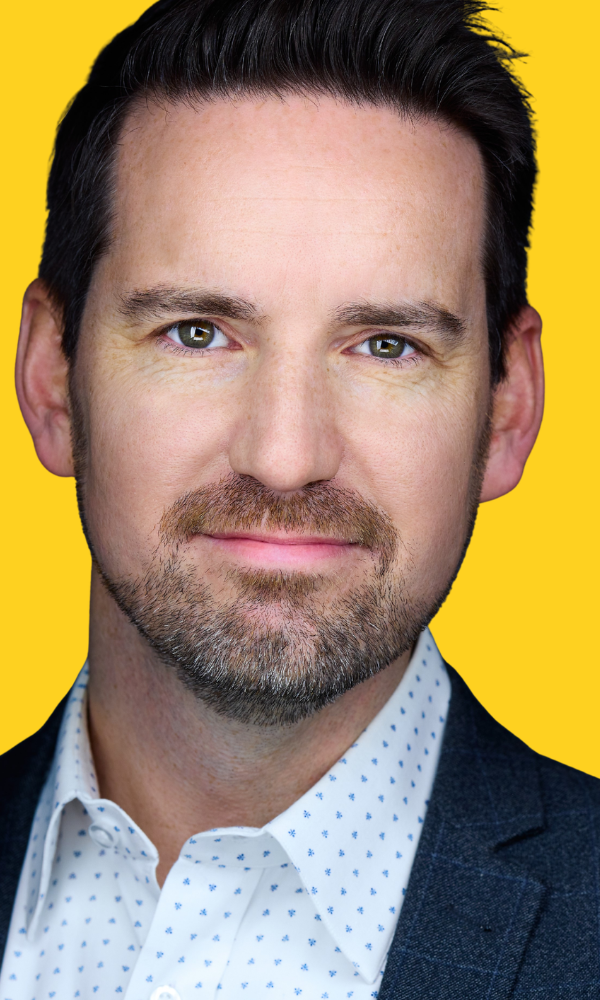
Mark Oatway is currently the Head of Diagnostics and Transforming Care, Oncology at AstraZeneca Canada. For the last 21 years, Mark has been an employee of AstraZeneca Canada working across a number of functional disciplines, including Diagnostics, Medical Affairs, Market Access/Reimbursement, Regulatory Affairs and Sales Management. He has spent the last 8 years working within AstraZeneca's Oncology biomarker pipeline which touches genomics, protein biomarkers and hereditary cancer testing.
Prior to joining AstraZeneca, Mark was a Clinical Research Associate in the Wasser Pain Management Clinic at Mount Sinai Hospital and completed his academics at Western University and Dalhousie University.

At 39 years old, Shannon is a survivor of two cancers. In 2018, she was diagnosed with locally advanced triple-negative breast cancer and gastric cancer. Shannon now sits on the Board of Directors for My Gut Feeling – Stomach Cancer Foundation of Canada.

Dr. Raphael is a Medical Oncologist and the Early Age Onset CRC Clinic Lead at the Odette Cancer Centre at Sunnybrook Health Sciences Centre. His practice is dedicated to the care of patients with gastrointestinal cancers. He completed his medical degree at Queen’s University and his internal medicine and medical oncology training at the University of Toronto. He then completed an advanced cancer health services research fellowship and a Master’s of Science (Healthcare Quality, Risk and Safety) at Queen’s University. His research focus is on population-based cancer care. His research aims to identify ways to optimize the coordination and delivery of cancer care services, and to describe gaps in care, disparities in access to treatment, uptake of cancer therapies, and real-world toxicity and effectiveness. His research has already influenced practice guidelines globally and led to a new quality metric that is routinely captured by Cancer Care Ontario (“time to initiating adjuvant chemotherapy”). He is also the valued Co-Chair of CCRAN’s Scientific & Medical Advisory Board.

Dr. Étienne Richer is Director of Genomics Programs at Genome Canada, where he leads efforts to strengthen Canada’s genomics ecosystem and drive innovation in health research. Prior to this role, he spent over 14 years at the CIHR Institute of Genetics, helping to shape strategic direction and foster global partnerships to advance the genomics community. With a postdoctoral background in infectious disease genetics and experience in health consultancy, he brings more than a decade of leadership in national and international science policy. His collaborative approach has earned him leadership roles with ICPerMed, including previous service as Chair of its Health Economics Working Group and his current role as Chair of the consortium.
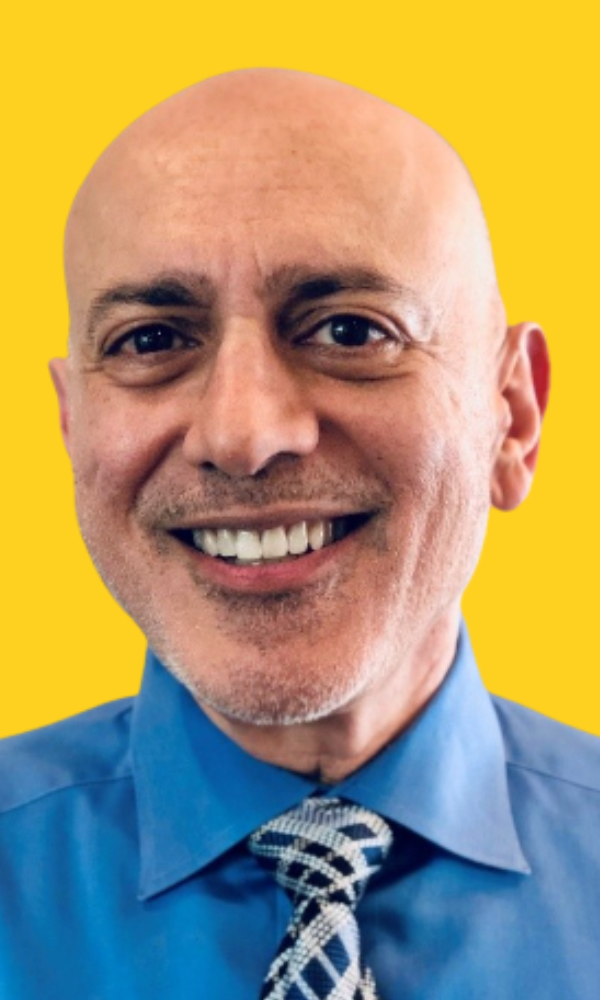
Dr. Sandy Sehdev attended medical school at the University of Ottawa and subsequently trained in medical oncology at the University of Toronto and The Princess Margaret Cancer Centre.
He worked at The William Osler Health System (Toronto) for 25 years (until 2016) and while there was Chief of the Pharmacy & Therapeutics Committee, and lead of the oncology clinical trials program and continuing medical education in oncology. He was a past lead of CME for the Community Oncologists of Metropolitan Toronto (COMET), and a past Director of the Cancer Advocacy Coalition of Canada. He is a co-founder of the Cancer Clinician Advocacy Forum (Canada), an oncologist led advocacy coalition and is a scientific advisor for the Canadian Cancer Survivor Network, and the Canadian Breast Cancer Network. He is a nucleus steering committee member of the REAL coalition (Canadian breast cancer guidelines group, associated with Breast Cancer Canada).
He is currently a medical oncologist and Assistant Professor at The Ottawa Hospital Cancer Centre, focusing on the treatment of breast and skin cancers, and former lead for the breast cancer disease site. He was a past winner of the “Golden Throat” teaching award.

Filomena is the President and CEO of the Colorectal Cancer Resource & Action Network (‘CCRAN’) – a patient-focused organization championing the health and wellbeing of Canadians touched by colorectal cancer and others at risk of developing the disease. Her undergraduate and graduate work lie in the biological sciences and educational studies. As a caregiver to her father, who was afflicted with and succumbed to metastatic cancer, his journey has served as the impetus for the founding of CCRAN, one month post his passing in August of 2006.
The past nineteen years have been dedicated to the cause of supporting, educating, and advocating on behalf of colorectal cancer patients and caregivers, to improve patients’ quality of life and longevity by furnishing evidence-based information and access to unique and novel patient programs. She has been working closely with valued health care professionals across the continuum of colorectal cancer care to ensure content acumen in the management of colorectal cancer. She is humbled to be published alongside world-renowned experts in areas such as biomarkers, colorectal cancer management, PROs and PROMs, early age onset cancer, promoting national LDLT efforts, and promoting CGP across tumour types.
Filomena is a strong proponent of HTA patient evidence submissions since the inception of pCODR, ensuring the patient voice is captured and well incorporated into her HTA patient evidence submissions across multiple tumour types, as CCRAN has recently expanded its patient focused mandate outside of the colorectal cancer space. She continues to be a passionate advocate for the Canadian cancer patient and their caregiver to help reduce the burden of cancer in Canada.

Steve Slack is a married father of 2 boys aged 18 and 20 years old. Back in 2019, at the age of 46, he went to his family doctor for the first time to complain about symptoms he was experiencing. Unfortunately, he was not referred for a colonoscopy at that time and was misdiagnosed as having food sensitivities. Two years later, with the symptoms worsening, he went back to his family doctor and was referred for a colonoscopy, which uncovered a large tumour in the sigmoid section of his colon. A few days later, an MRI scan confirmed 23 metastatic lesions on his liver as well. He was told that the cancer in his liver was inoperable and incurable. He underwent emergency colon resection surgery, and after recovering from that, he began systemic therapy with FOLFIRI and Panitumumab. Six months into that, he had surgery to implant a Hepatic Artery Infusion Pump and then did 6 rounds of HAIP chemo infusions in conjunction with continued systemic therapy. Luckily, the cancer had a great response to the treatments, as the cancer in his liver shrank from 23 metastases to just 1. This set him up to be eligible for a liver transplant, as a potentially curative treatment for his “incurable” cancer. He started the living donor liver transplant process in April 2023. On November 27, 2023, he received a full liver transplant, and in doing so, hopefully removed all cancer from his body for good. Regular scans post-transplant have continued to confirm that he remains in No Evidence of Disease status.

Brad Sluiter is from Calgary, Alberta. He is a father of 2 children, 13-year-old twins. Brad was diagnosed with stage IV pancreatic cancer in 2022 at the age of 43. It was discovered early on that he had a fusion called RET which is very rare in pancreatic cancer. His treatment consisted of 18 rounds of Folfirinox chemo, MRI Viewray Radiation done in California, a clinical trial from his rare fusion, and ablation. He continues to enjoy life watching his kids play sports and spending time with his spouse. The journey has been a difficult battle but there is hope, shown in the form of clinical trials and biomarker testing.

Dr. Stephanie Snow is a staff Medical Oncologist at the QEII hospital in Halifax, Nova Scotia, treating thoracic and GI malignancies. After pursuing undergraduate training at McGill, she completed her training at Dalhousie, where she is now a full professor in the Faculty of Medicine. Dr. Snow has a strong interest in Medical Education and is Chair of the Royal College Medical Oncology Examination Board. From a research perspective she is involved in clinical research, is Associate Editor of the peer-reviewed journal Current Oncology and has been widely published in prominent journals. Dr. Snow is active in patient advocacy, serving as the Immediate Past-President of Lung Cancer Canada, and sits on the medical advisory committees of several other patient advocacy groups in colorectal and gastric cancer.
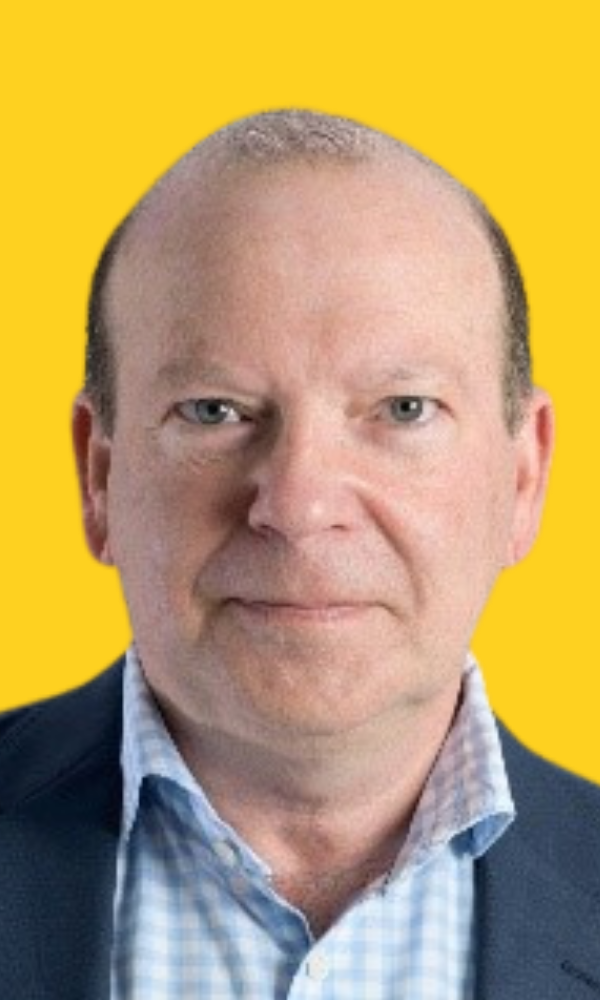
Dr. Alan Spatz is professor of pathology and oncology at McGill University, chief of the department of Clinical Laboratory Medicine at the McGill University Health Centre (MUHC), and medical director of Optilab Montreal-MUHC, an integrated network of labs belonging to the McGill-affiliated hospitals. He is also director of the molecular pathology centre at the Lady Davis Institute (LDI)/Jewish General Hospital of Montreal, and of the “X chromosome and cancer” research lab at the LDI. Dr. Spatz received his medical education at the Sorbonne University, Paris, France, and worked at the Gustave Roussy Cancer Institute in Villejuif, France, from 1994 to 2008.
Dr. Spatz serves on the board and steering committee of several international and Canadian research organizations, including the WIN Consortium (winconsortium.org), Exactis Innovation (exactis.ca), and the Canadian BEAT-cancer coalition for advanced molecular diagnostics. He is currently co-chair of the Correlative Sciences Committee of the Canadian Cancer Trials Group (CCTG) and the president of the Oncology Committee of the Quebec Network of Molecular Diagnostics (RQDM). He was chair of several clinical research organizations, including the Melanoma group of the European Organization for Research and Treatment of Cancer (EORTC), the Pathobiology group of the EORTC that he founded, the Melanoma committee of the CCTG, and was president of the French division of the International Academy of Pathology.
Dr. Spatz’s research is focused on cancer biomarkers and on the role of the X chromosome-related haploinsufficiency in cancer progression. He has published more than 230 peer-reviewed articles and books in highly ranked journals, including Nature Medicine, Nature Cancer, Nature Cancer Reviews, The Lancet, Science Translational Medicine, Science Immunology, Annals of Oncology, and Journal of Clinical Oncology.

Lindsay Timm is CCSN’s Executive Director. Before joining CCSN on staff, Lindsay was a volunteer helping to organize fundraising events and always coming up with new and innovative ideas and project proposals for fundraising. As a staff member, she started out as the Administrative Coordinator. Lindsay then tackled the opportunity of being the Community Engagement Manager. In this role she worked closely with patients, survivors, and caregivers within the network. She also fostered new and existing partnerships with organizations that align with CCSN’s mission, vision, and values. She continued to develop her skills in completing HTA patient voice submissions so that Canada’s Drug Agency (CDA) and Institut national d’excellence en santé et en services sociaux (INESSS) continue to consider the patient perspective in the decision-making process. Lindsay has been leading the presentation of the All-party Cancer Caucuses across the country. The skills and knowledge learned during these meetings have helped equip her with new perspectives and ideas on how to support and communicate effectively with decision and policy makers. Throughout the time that Lindsay has been with CCSN she has gained valuable knowledge and experience through each role she has held. She attributes a great amount of her learning to working closely with Jackie Manthorne. She is also grateful to the partnering organizations that she closely works with for being a source of knowledge and guidance.
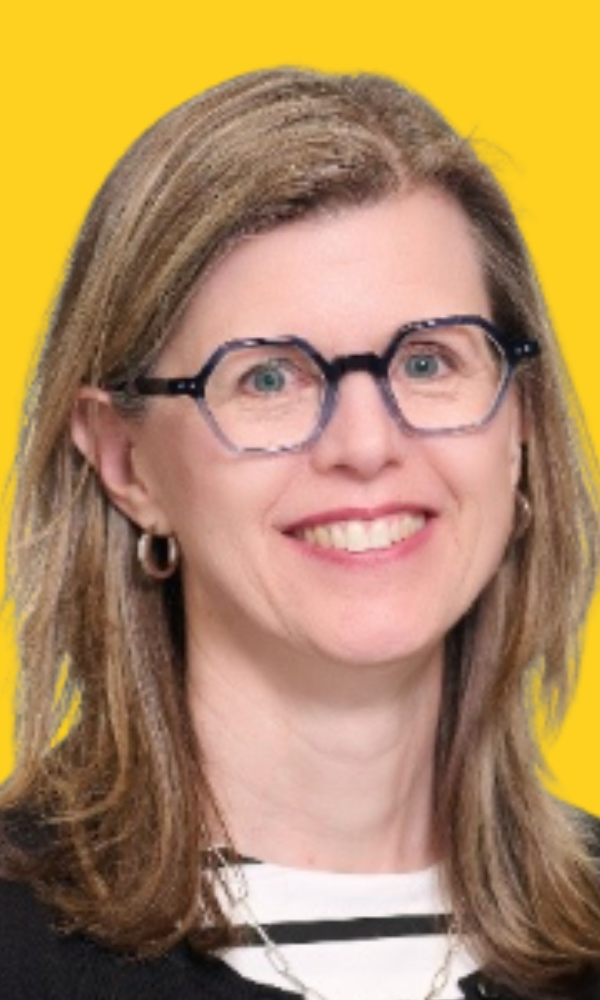
Andrea serves as Vice President, Operations at the Medical Laboratory Professionals’ Association of Ontario. A graduate of The Michener Institute of Education's Genetics Program, she began her career as a bench technologist and has advanced through senior leadership roles, including Education, Safety and Transport Manager with the Hamilton Regional Laboratory Medicine Program. With 35 years of experience in laboratory medicine, Andrea has led and supported initiatives spanning quality improvement; training and competency; professional practice; clinical education and coordination of MLT and MLA/T learners; laboratory safety; and biosafety and biosecurity. She is a strong advocate for continuing education and holds a Bachelor of Science from Western University, ART certification in Cytogenetics, a Bachelor of Adult Education from Brock University, a Leadership in Biosafety Certificate, and an Occupational Health and Safety Management Certificate.
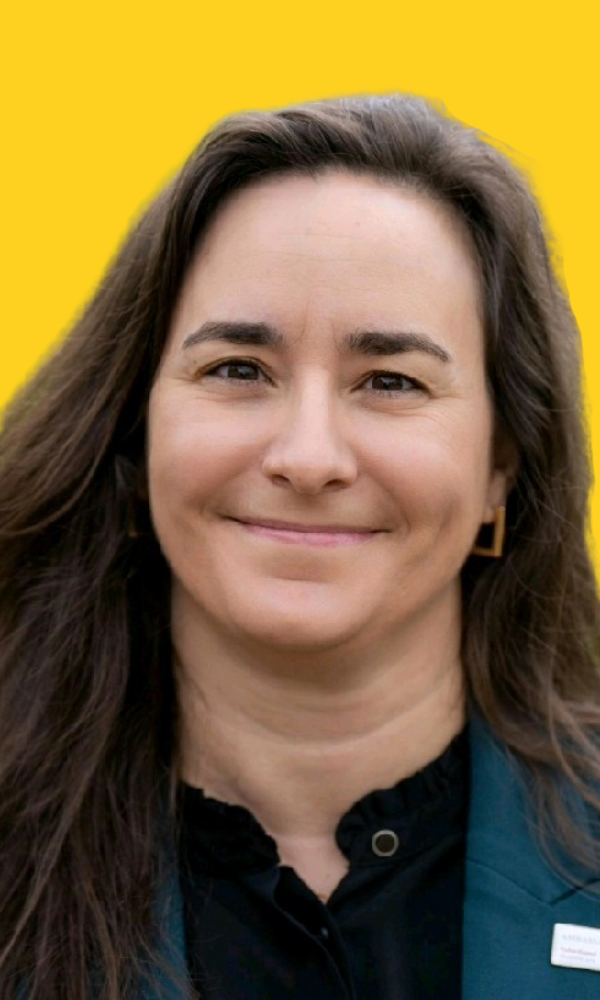
Executive Director of the Quebec Cancer Coalition and working in the field of patient advocacy since 2008, Eva Villalba is dedicated to improving healthcare systems, particularly for people affected by cancer. Her expertise in health policy and healthcare management, coupled with an MBA and an M.Sc. in Health Transformation, enables her to advocate and lead initiatives that place patients at the centre of healthcare systems. Passionate about value creation, learning health systems, and developing strategic partnerships, she is an internationally recognized expert in value-based healthcare (VBHC) and advocates for co-construction at all levels, for and with patients.
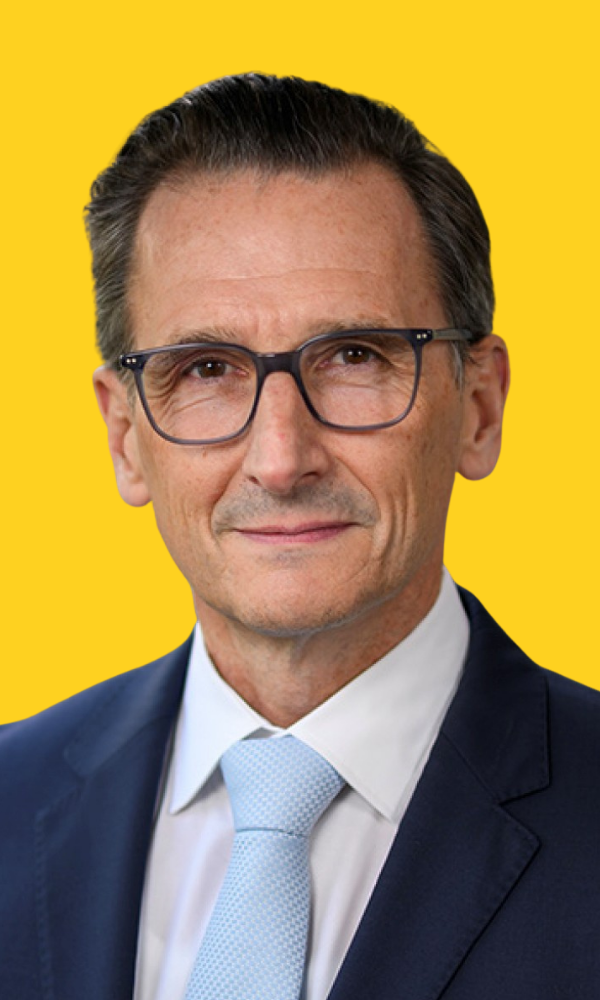
Prof. Vogel is a clinician scientist at the rank of a full professor at the University of Toronto, Canada. He is appointed as the Longo Family Chair in Liver Cancer Research. He is leading a multi-pronged research program in basic and clinical science at the Toronto General Hospital and the Princess Margaret Cancer Centre. Before joining UNH, he worked as a senior consultant at Hannover Medical School for more than 20 years and continues to hold a research position there.
Prof. Vogel’s scientific focus is on translational and clinical research in gastrointestinal cancer. Since 2004, he has led a translational research group focused on the pathogenesis of hepatobiliary cancers and precision medicine. Prof. Vogel has been a clinical investigator in oncology since 2006 and has served as principal investigator on numerous clinical trials. He is the author or co-author of more than 400 articles published in peer-reviewed journals, including The Lancet, The Lancet Oncology, Cancer Cell, and Gastroenterology, among others, with an H-index of 94.
Prof. Vogel is a member of the ESMO, ASCO, and EASL societies. He is a member and chairman of the Hepatobiliary Cancer Study Group of the AIO, a collaborative group in clinical oncology in Germany. Within ESMO, he is a member of the ESMO Guidelines Steering Committee. He has responsibilities in establishing the national guideline and is the coordinator of the ESMO clinical practice guideline on the management of hepatocellular carcinoma and biliary tract cancer.
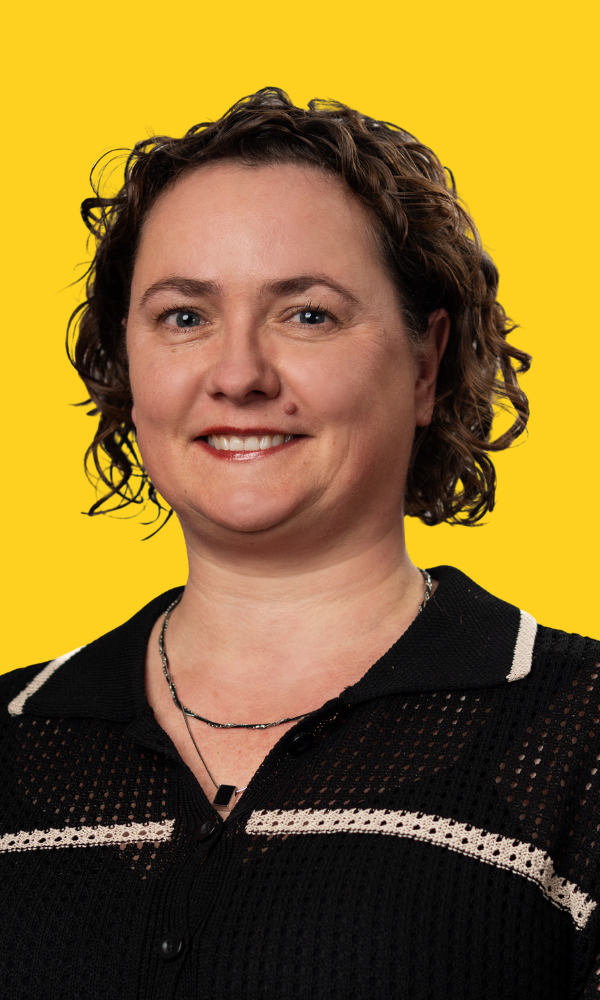
Laura Weeks is the Director of Health Technology Assessment, within the Evidence Products and Services Business Unit at Canada's Drug Agency (CDA-AMC), where she oversees a team responsible for the conduct of evidence assessments to support Canada's health system decision makers. She holds a Ph.D. in Community Health and Epidemiology, and has nearly 20 years’ experience in evidence synthesis, health technology assessment and health leadership acquired through her work with CDA-AMC, AHRQ, academia and the Cochrane Collaboration.

John Wilkinson was elected to the Ontario Legislative Assembly as an MPP from 2003-2011. He was called to Cabinet and served as Minister of Research & Innovation, Minister of Revenue, and Minister of the Environment.
From 2017-2025 he sat on the Board of Life Sciences Ontario. Recently, he received LSO's Lifetime Achievement Award for his efforts to help persuade the provincial government to adopt the Ontario Life Sciences Strategy.

Jennifer is a technology executive whose career began in the public healthcare system, supporting hospitals, community care, and associations in the adoption of new systems and processes. In the private sector, where she supported large, cross-functional technology delivery teams responsible for complex, high-impact initiatives, she was also a member of the program team that implemented the Ontario Wait Times Information System and multiple generations of the electronic patient record, helping modernize how care was measured, delivered, and coordinated.
Today, Jennifer applies that same discipline, resilience, and systems thinking in the private sector, where she works to deliver scalable technology solutions. Her industry experience across sectors has shaped a deep appreciation of the human impact of technology and the importance of reliability, transparency, and trust.
Like many people, Jennifer’s life has been profoundly influenced by cancer. She has lost a brother and other family members to the disease—experiences that continue to inform her perspective and priorities. She is once again navigating the healthcare system as she supports her husband in his cancer journey. Her professional leadership in health information systems, compassionate leadership, and the belief that technology can improve outcomes for patients and families have reinforced her commitment to patient-centred care.

Don Wood was a caregiver for his late wife Sherry, who battled Stage IV metastatic colorectal cancer for 3 years, before losing her battle in early 2020. Don also lost his only brother Ken as a young adult who battled leukemia briefly so he has lived his life with cancer - face to face. Don started volunteering shortly after Sherry’s treatments began as a way to give back, sharing his experiences as a caregiver with lived experience. He has worked across the cancer spectrum since 2018 both on a local and national basis for several health care organizations, hospitals, and charities as well as collaborating with several Universities and patient partner groups.

Jim is a Senior Scientist at the Lunenfeld-Tanenbaum Research Institute where he was Director of Research from 2005-2021 and is currently seconded to the Terry Fox Research Institute. His research interests are in understanding the cellular signaling pathways that underly human disease, particularly cancer. He has published over 300 papers and is an active proponent of scientific research. He and his family emigrated to Canada in 1992 from the UK.

Christine was diagnosed with metastatic lung cancer 10 years ago. She has been on targeted therapy since her diagnosis and is an active patient research advocate both nationally and internationally.
Christine is part of the Cancer Grand Challenge Advocacy Panel, initiated by Cancer Research UK and NCI in the USA, focusing on patient involvement in cancer research. She also serves on the Trial Selection Board of the German Cancer Research Centre and the ASCO Conquer Cancer Foundation in the USA, reviewing grant applications.
Christine co-developed several grant programs in the Terry Fox Research Institute, the Canadian Cancer Society, and Lung Cancer Canada. She is a patient reviewer for grant applications and is involved in four research teams as a patient partner lead at various Canadian universities.

Winky Yau is the Manager, Medical Affairs at Lung Cancer Canada, joining the team in July 2021. At LCC, she has been a dedicated advocate for patients, leading key initiatives including treatment advocacy, stakeholder relations, public affairs, and research activities for the organization. She is passionate about health promotion, health policy, and reducing barriers & inequities in healthcare accessibility. Winky is currently pursuing a Master of Health Science in Translational Research at the University of Toronto and lives in Markham, ON.
Austin holds a M.Sc. in Pharmaceutical Sciences from UBC, where he worked to develop Pharmacokinetic models which better align with human physiology. In addition to his educational background, Austin also has a strong background in teaching, previously acting as a teacher on call for the Abbotsford School District. Austin has been the Support Services Manager since September 2024, where he blends his backgrounds to assist PCFC in education, awareness and advocacy roles for individuals and support groups across the country. Outside of work, Austin is a firm believer in physical activity, where he plays and sits on the executive board for the Abbotsford Rugby Football Club.


.png)

